
Why You Should Not Train When You Are Angry
Introduction
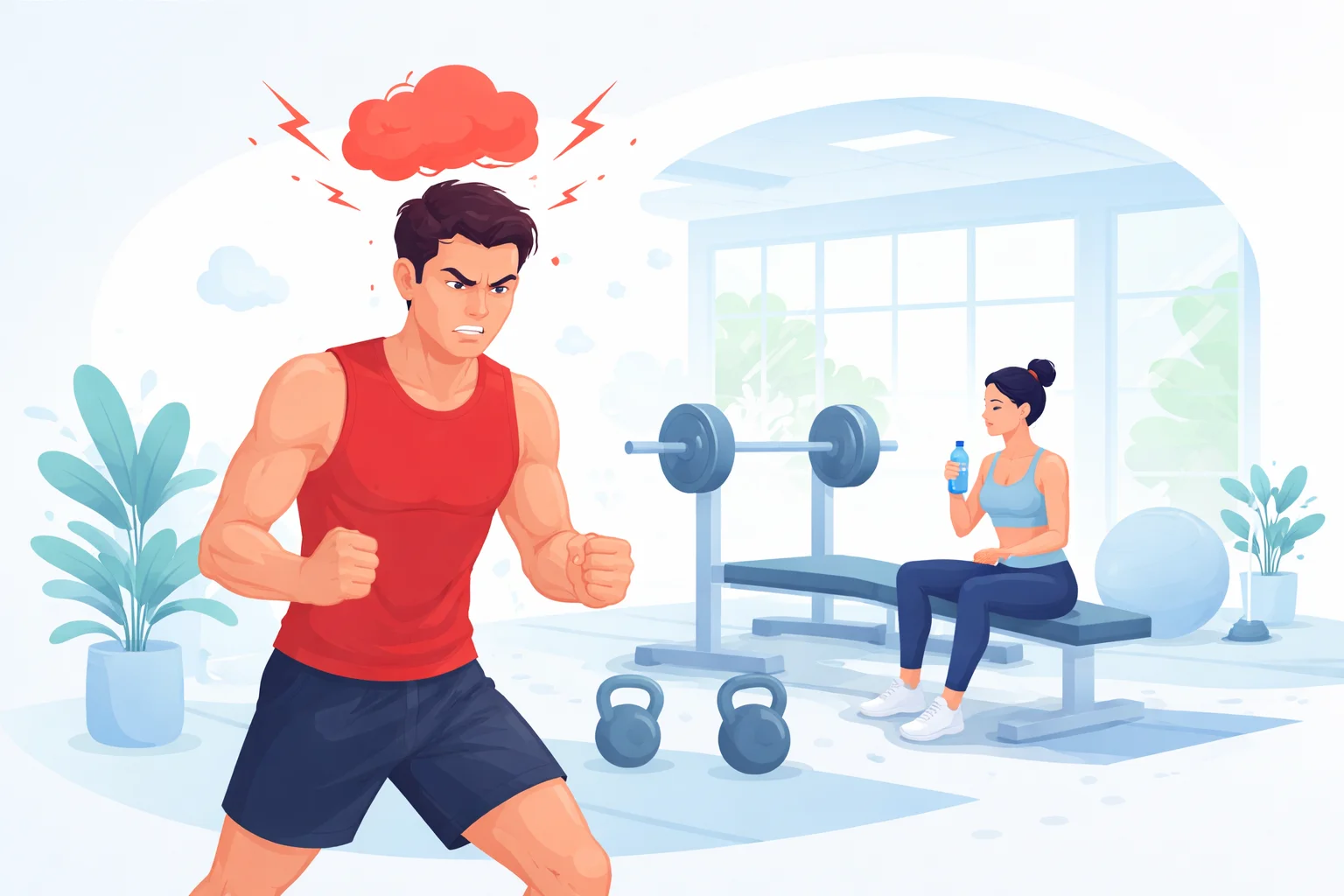
Many people walk into the studio saying, “I’m stressed. I’m angry. I need to smash this workout.” While training can absolutely help regulate mood, starting a strength session in a heightened emotional state is not the same as training with focus and intent.
As coaches, we do not program sessions to release aggression. We program them to build strength, improve movement quality, and create long-term progress. Anger changes how your body and brain respond to training — and not in a productive way.
Anger Elevates Stress Hormones Before You Even Lift
When you are angry, your sympathetic nervous system is already activated. Heart rate rises, breathing becomes shallow, and stress hormones increase. Strength training is itself a stressor. Combining emotional stress with physical stress creates a higher overall load on your system.
In the short term, you may feel more explosive. But elevated stress can:
- Reduce fine motor control
- Increase muscle tension
- Decrease coordination under load
- Slow recovery after the session
Over time, this pattern can interfere with progress, especially for busy professionals who already carry work-related stress.
Anger Reduces Technical Precision
Strength training is a skill. Squats, presses, and deadlifts require controlled tempo, stable joints, and consistent positioning. Anger pushes you toward speed and force, not control.
In sessions where clients are emotionally charged, we often see:
- Rushed repetitions
- Compromised bracing
- Shortened range of motion
- Ignoring coaching cues
This increases injury risk and reduces the quality stimulus your muscles actually need.
Chasing Intensity Is Not the Same as Building Strength
There is a difference between high effort and emotional aggression. Productive strength training relies on progressive overload, controlled volume, and planned recovery. It is structured, not reactive.
When anger drives the session, people tend to:
- Add unnecessary weight
- Skip warm-up sets
- Push to failure too often
- Ignore fatigue signals
That approach might feel satisfying in the moment, but it rarely supports long-term strength development.
Better Strategy: Regulate First, Then Train
If you arrive at the studio feeling angry, the solution is not to cancel training. It is to shift the entry point of the session.
We typically start with:
- Slower nasal breathing drills
- Controlled mobility work
- Gradual warm-up progressions
- Submaximal first working sets
Once your nervous system settles, strength training becomes productive again. You move better. You lift with intention. You recover faster.
Practical Conclusion
Training should build you, not drain you further. If you are angry, recognize that your body is already under stress. Take five to ten minutes to regulate your breathing and movement before loading the bar.
Strength training works best when it is structured, controlled, and progressive. Emotional control is not separate from physical performance — it is part of it.