
If You Can’t Quit Smoking, Avoid It 2 Hours Before and After Your Workout
Introduction
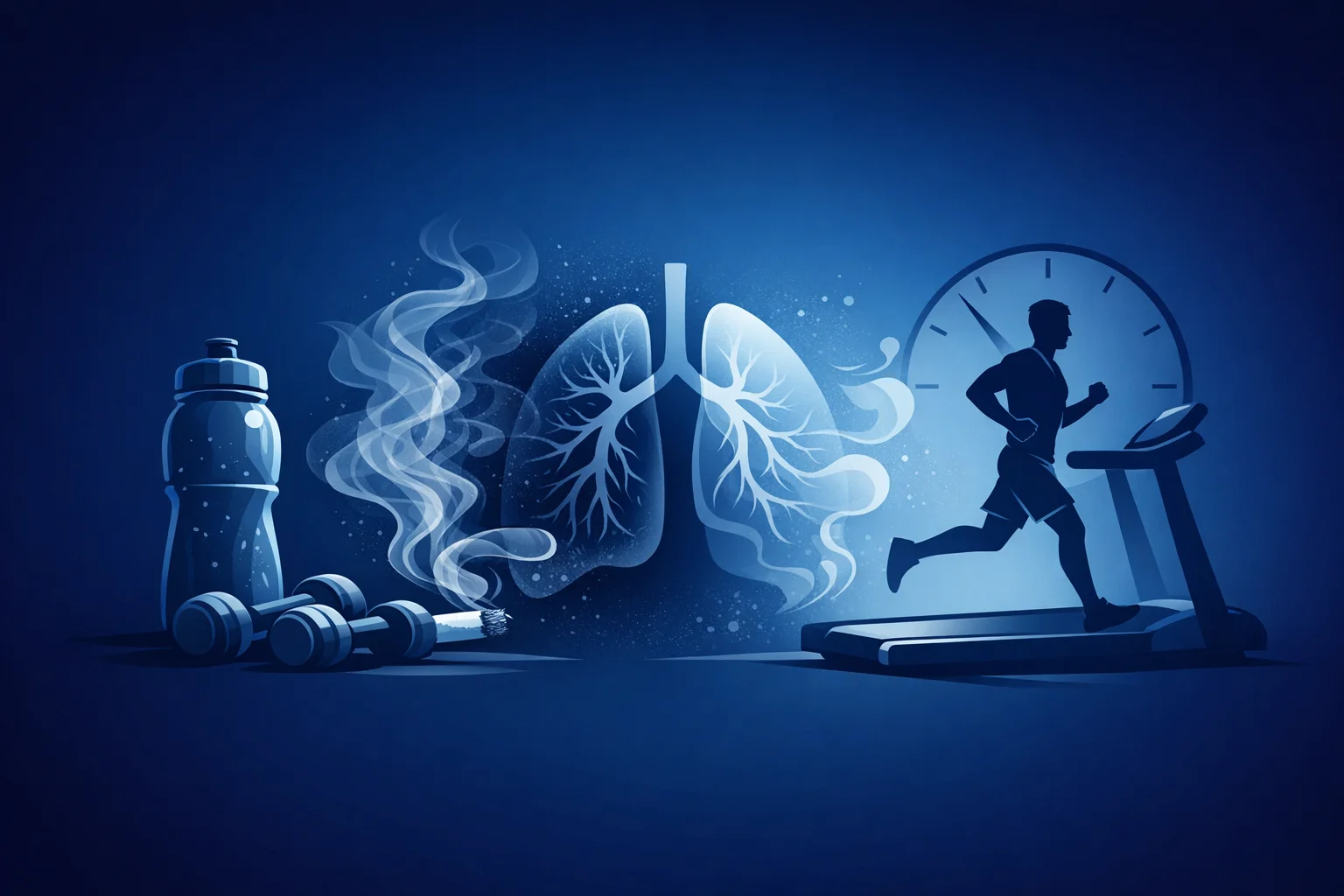
From a personal trainer’s perspective, quitting smoking completely is always the best option for long-term health and performance. However, many people train while still smoking. If you are not ready to quit yet, there is a practical harm-reduction step that can make a real difference: avoid smoking at least two hours before and two hours after your workout.
This simple adjustment can improve how your body responds to training, how you feel during sessions, and how well you recover afterward.
Why Smoking Before Training Hurts Performance
Smoking shortly before exercise limits how much oxygen your muscles can use. Nicotine and carbon monoxide reduce oxygen delivery, increase heart rate, and narrow blood vessels. In practical terms, this means you may feel out of breath sooner, fatigue faster, and struggle to maintain intensity.
For clients, this often shows up as shorter workouts, lighter weights than expected, or stopping cardio earlier than planned. Avoiding cigarettes for two hours before training allows oxygen levels and circulation to partially normalize.
How Smoking After Training Slows Recovery
The post-workout window is when your body shifts into recovery and adaptation mode. Muscles need oxygen and nutrients to repair, and the nervous system needs to calm down. Smoking during this period interferes with both.
Nicotine increases stress hormones and reduces blood flow, which can slow muscle repair and prolong soreness. Waiting at least two hours after your workout supports better recovery and prepares you for your next session.
The Two-Hour Rule: A Realistic Compromise
As a trainer, the goal is not perfection but progress. The two-hour rule is a realistic compromise for people who are not ready to quit smoking entirely. It creates a clear boundary around training without demanding an immediate lifestyle overhaul.
- Finish your last cigarette at least two hours before training
- Hydrate well before and during your workout
- Delay smoking for at least two hours after finishing exercise
Many clients notice better breathing, improved endurance, and a stronger training mindset within a few weeks.
Training as a Step Toward Quitting
Interestingly, consistent exercise often makes smoking less appealing over time. As fitness improves, the contrast between feeling strong during training and restricted after smoking becomes more obvious.
Several clients naturally reduce cigarette intake once they experience better workouts and recovery. While this article does not aim to push quitting, training can become a powerful stepping stone toward that decision.
Practical Conclusion
If you cannot quit smoking right now, do not let that stop you from training. Start by protecting your workouts. Avoid smoking at least two hours before and after exercise to improve oxygen use, performance, and recovery.
Small, consistent changes add up. From a coaching perspective, this approach keeps you progressing while respecting where you are today.